
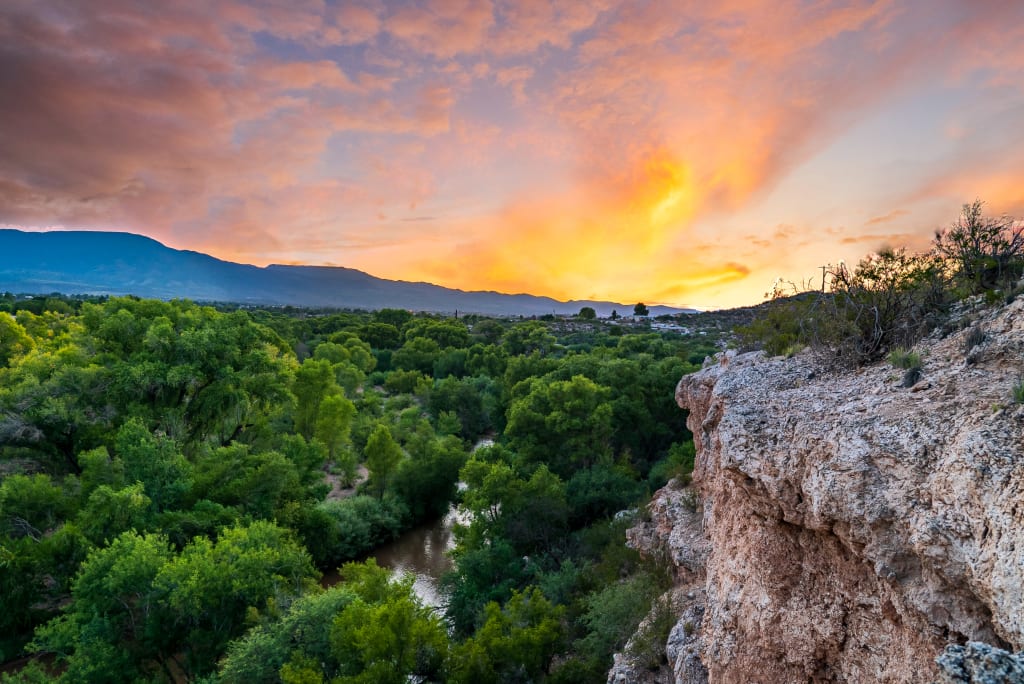
Living in Cottonwood, AZ: A Local’s Guide to Neighborhoods, Lifestyle & Real Estate Insight
If you're considering a move to Northern Arizona and Cottonwood has made your shortlist, you’re already ahead of the curve. Most relocation guides talk about Sedona, Prescott, or Flagstaff — but Cottonwood is where real life happens in the Verde Valley. It’s the hub. It’s where people live, work, build businesses, and put down roots without wanting the constant tourism traffic and resort pricing of Sedona.
I’m a fourth-generation local and full-time REALTOR® who’s lived and worked all over the Verde Valley, and Cottonwood remains one of the most balanced places to call home. This isn’t a travel brochure — this is a practical guide for people who are seriously thinking about calling Cottonwood home in 2026 and beyond.
Where Cottonwood Fits in Northern Arizona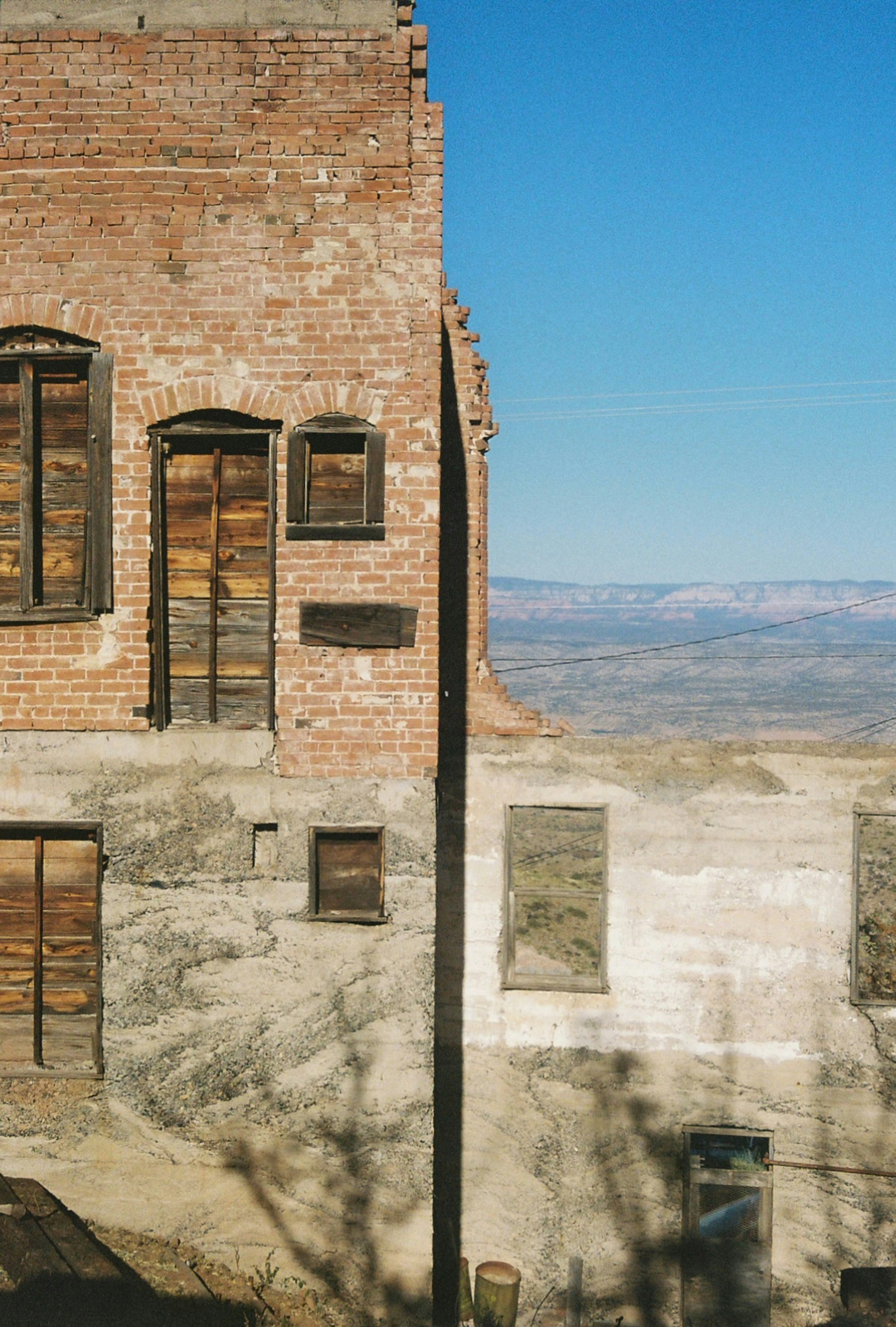
Cottonwood sits in the heart of the Verde Valley between Sedona and Camp Verde. It has access to red rock views, state parks, grocery stores, medical services, schools, and employers — without the congestion, zoning complications, or price points of a resort town.
You’re close to:
20 minutes to Sedona
10 minutes to Clarkdale or Cornville
25 minutes to Jerome
1 hour to Prescott
90 minutes to Phoenix
For many people, Cottonwood represents the best of both worlds — close enough to bigger job markets, far enough from urban pressure.
A Quick Look at Housing & Affordability
Buyers heading into 2026 are facing a market defined by inventory shortages and lifestyle migration. While Sedona’s median home prices often push above $900,000, Cottonwood still offers opportunity in the $400,000–$600,000 range depending on neighborhood and condition. Yes, prices have risen here too — but compared to Sedona and Prescott, Cottonwood remains one of the few Arizona markets where you can still find a well-kept home with land, views, or character without entering luxury pricing.
In Cottonwood, you’re buying community and livability — not just a backdrop.
Neighborhood Breakdown: Understanding the Real Layout of Cottonwood
Cottonwood isn’t master-planned around golf courses or HOAs — it’s an organic mix of historic blocks, established communities, and pockets of new construction. Here’s a local’s breakdown of the areas you’ll actually encounter:
Old Town Cottonwood
Walkable historic district with restaurants, wine rooms, small businesses, and mixed residential zoning. Some homes are mid-century cottages, others are renovated bungalows. Expect charm and character — but competition if a renovated one hits the market.
Who it appeals to: Buyers who want walkability, personality, or potential for Airbnb (if zoning allows — always verify).
Verde Village (Units 1–8)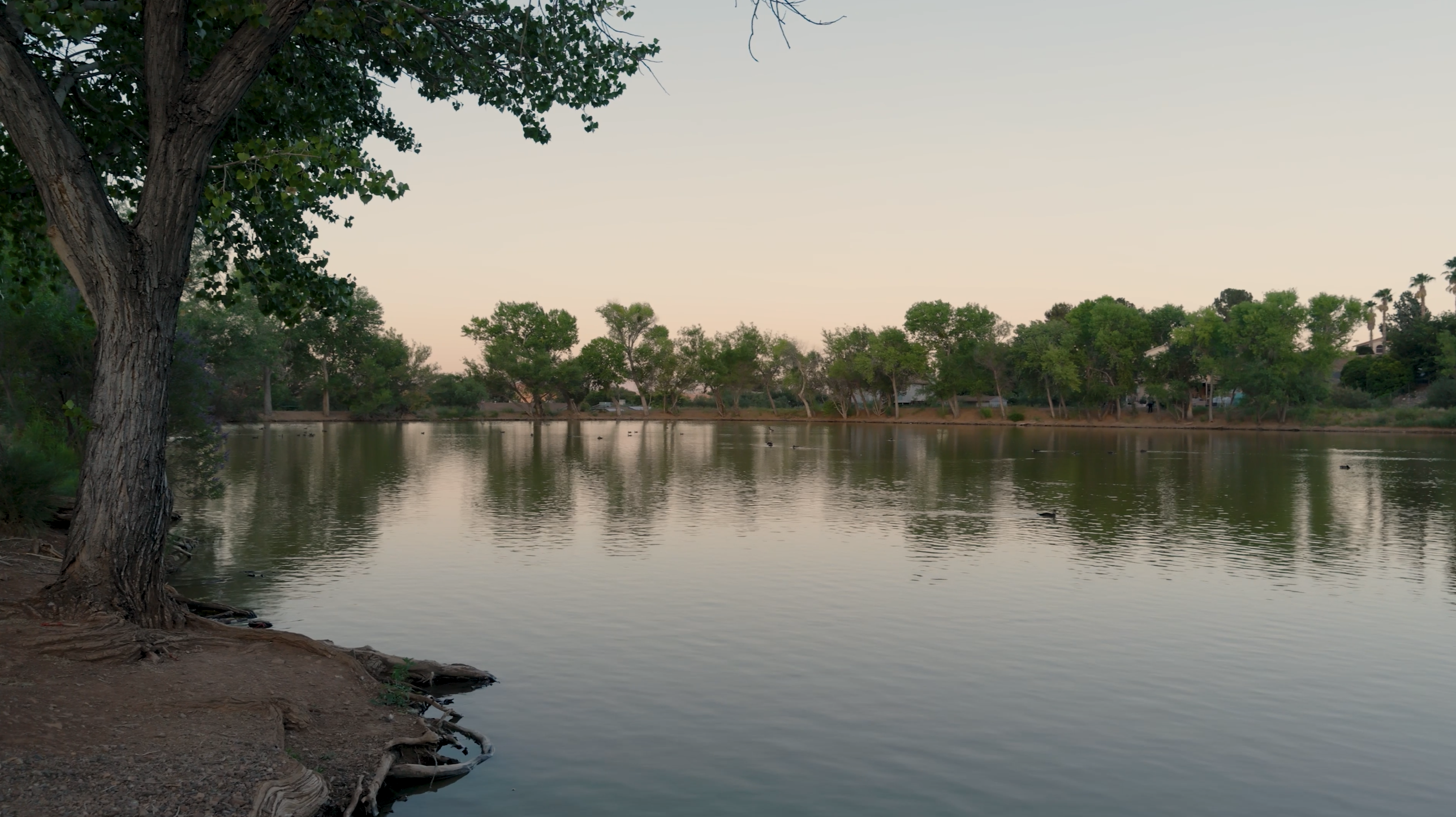
One of Cottonwood’s largest residential areas. Built between the late 60s and 90s, you’ll find frame, block, and ranch-style homes, often on quarter-acre lots. Many homes back to open space or have distant mountain views.
Why it’s popular: No HOA, practical layouts, good resale, strong local community. VVPOA is a voluntary property owners association and maintains trails along the Verde River, a club house with a pool and the "duck pond".
Mesquite Hills & Newer Builds
Pocket of newer construction offering modern floor plans and efficient systems — great for buyers wanting “move-in ready” with fewer repairs. Inventory here is limited and resale values hold well. There are some builder basic new builds going in here right now at a killer price point!
Custom Homes & Rural Edges
North and East of town offers semi-rural living — larger parcels with, room for RVs, detached shops, with stunning views panoramic views. These properties often attract buyers relocating from city or suburban markets looking for space without isolation.
Daily Life: What It’s Really Like to Live in Cottonwood
Groceries & Essentials
Cottonwood has multiple full-service grocery options — Safeway, Fry’s (my favorite), Walmart, plus local butchers and farmers markets. You don’t need to leave town for basic shopping.
Healthcare Access
This is one of the biggest deciding factors for relocators. Unlike Sedona or Cornville, Cottonwood has a regional medical center, specialty clinics, urgent care, dental, and optical options. This makes it especially practical for long-term living.
Schools & Charter Options
Cottonwood has public, charter, and specialty schools. I won’t steer anyone — but options are available, and many parents in the surrounding towns drive into Cottonwood daily.
Work & Commute
Commuting to Sedona? Expect 20–25 minutes via 89A. Prescott? One hour. Phoenix? 90 minutes straight down I-17. Many remote workers settle here for space, affordability, and high-speed internet access.
Lifestyle Without the Tourism Rush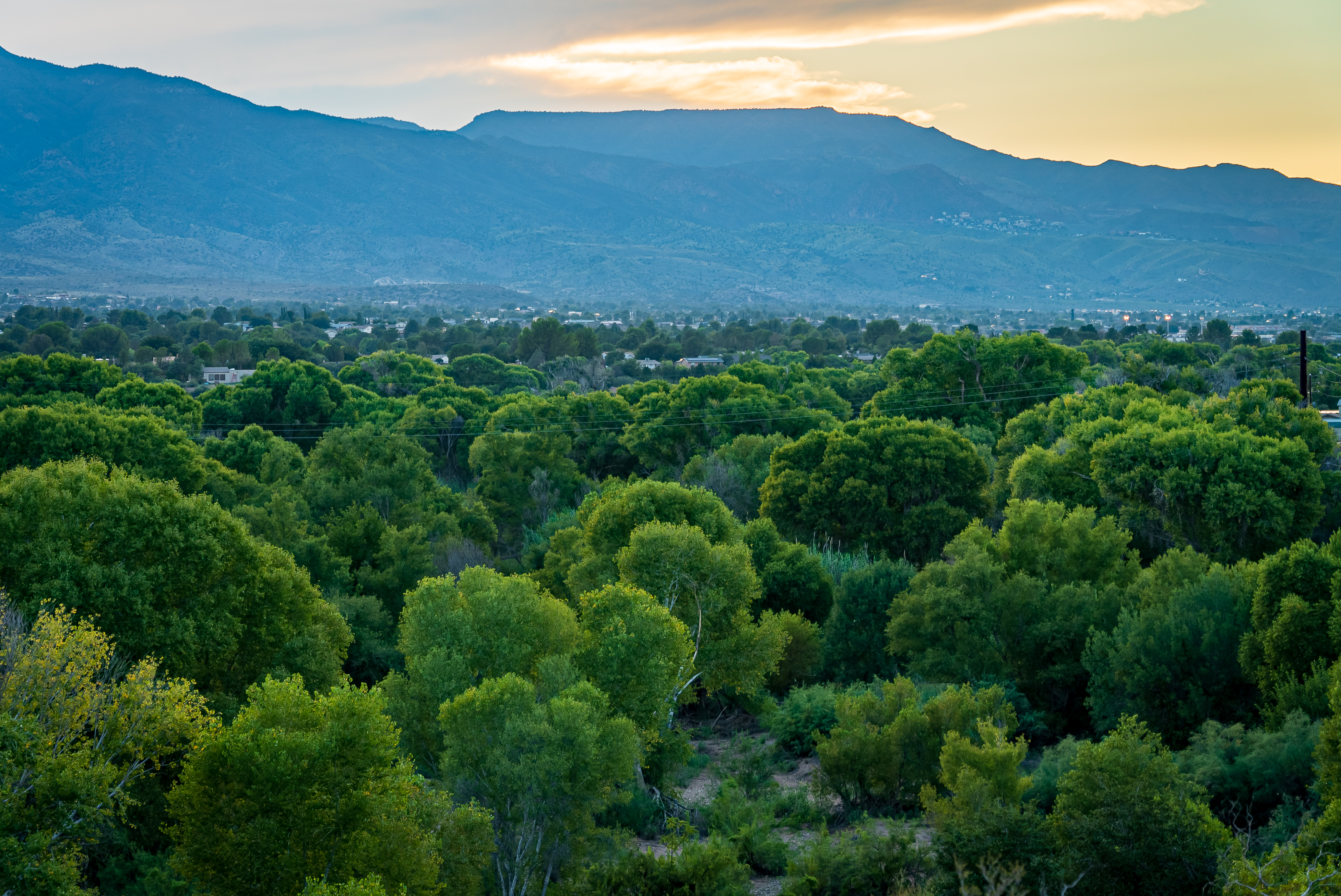
Sedona is breathtaking, but crowded. Cottonwood offers many of the same outdoor perks — red rock access, river kayaking, trail systems — without daily traffic lines and tour buses. Locals hike, fish, bike, hit wineries, or spend weekends exploring Jerome, Camp Verde, and Sedona without living in the middle of it.
Seasonally:
Winters: Mild. Rare snow, chilly mornings, clear skies.
Summers: Hot but manageable. Mornings are long, evenings cool off.
Spring/Fall: Ideal — outdoor season.
Who’s Moving to Cottonwood Now?
People relocating to Cottonwood are coming from:
Phoenix suburbs seeking cooler temps.
Sedona homeowners ready to downsize and escape STR zones.
Out-of-state buyers from California, Oregon, Colorado wanting space and stability.
Remote workers wanting mountains without Flagstaff snow.
It’s not a retirement town and it’s not a tourist town — it’s practical, evolving, steadily investing in itself.
Real Estate Strategy Heading Into 2026
If you're planning a move in 2026, here are realities:
Inventory is low — the best homes sell quickly.
Condition matters — many homes are older and need updates.
Representation matters — online listings rarely tell the full story.
Cottonwood rewards buyers who move strategically — not reactively.
FAQ: Common Questions Buyers Ask Me
Is Cottonwood Affordable Compared to Sedona?
Generally, yes. Expect mid-$400s for standard homes vs. Sedona’s $900K+ medians.
Is Cottonwood Walkable?
Old Town is, but most neighborhoods rely on cars. It's a driving town with pockets of foot traffic. We do have a local area transit that you can hitch a ride one, but do not expect to find an Uber.
What About Water or Growth Restrictions?
The Verde Valley watches growth closely. Cottonwood has infrastructure, but local advocacy remains active. Always verify zoning and utility before purchasing land. Water is pretty abundant in the Verde Valley, and the average rainfall more than fills up what is being used. I have connections to local well companies that can give you peace of mind if you're considering land that needs a well.
Why Work with a Local Full-Time Agent (Not Just a Door Opener)
Cottonwood might appear straightforward on a map, but the reality of buying here is far more nuanced. Septic systems, irrigation rights, zoning overlays, short-term rental restrictions — this isn’t a plug-and-play market. Every street, every parcel, every neighborhood has its own history and value story, and that’s where local experience makes or breaks the outcome.
I’ve spent my life in this valley and my career understanding how this market truly moves — not just in listings, but in negotiations, appraisals, and long-term equity. My clients don’t hire me to unlock doors; they hire me to protect their decisions, sharpen their strategy, and help them see what others miss.
If you’re considering a move to Cottonwood or anywhere in the Verde Valley in 2026, start the conversation early. The smartest moves aren’t made after you’ve fallen for a house — they’re made when you understand the ground you’re standing on.
Let’s build that clarity before you dive in. Contact Me Here